
The short answer
An adult family home is a private residence — a real house, in an ordinary neighborhood — that has been licensed by Washington's Department of Social and Health Services (DSHS) to provide housing and care for up to six adults who can no longer safely live on their own. It is not a hospital, not a nursing facility, not a sprawling campus. It is somebody's home, opened up to care for a small number of people with the kind of close, personal attention that only a small setting makes possible.
I should tell you where I sit in all this. My family runs an adult family home in Lynnwood, and I built Dear Care Home so Washington families get the truth instead of a sales pitch. Adult family homes are not the right answer for everyone — I will be honest about that below. But most families have never had this option explained plainly, so let's fix that.
What it actually is — and the six-resident rule
The defining feature of an adult family home, the thing everything else flows from, is size. By Washington law, a single licensed adult family home can care for a maximum of six residents. That cap is not a marketing choice; it is the license. And it changes everything.
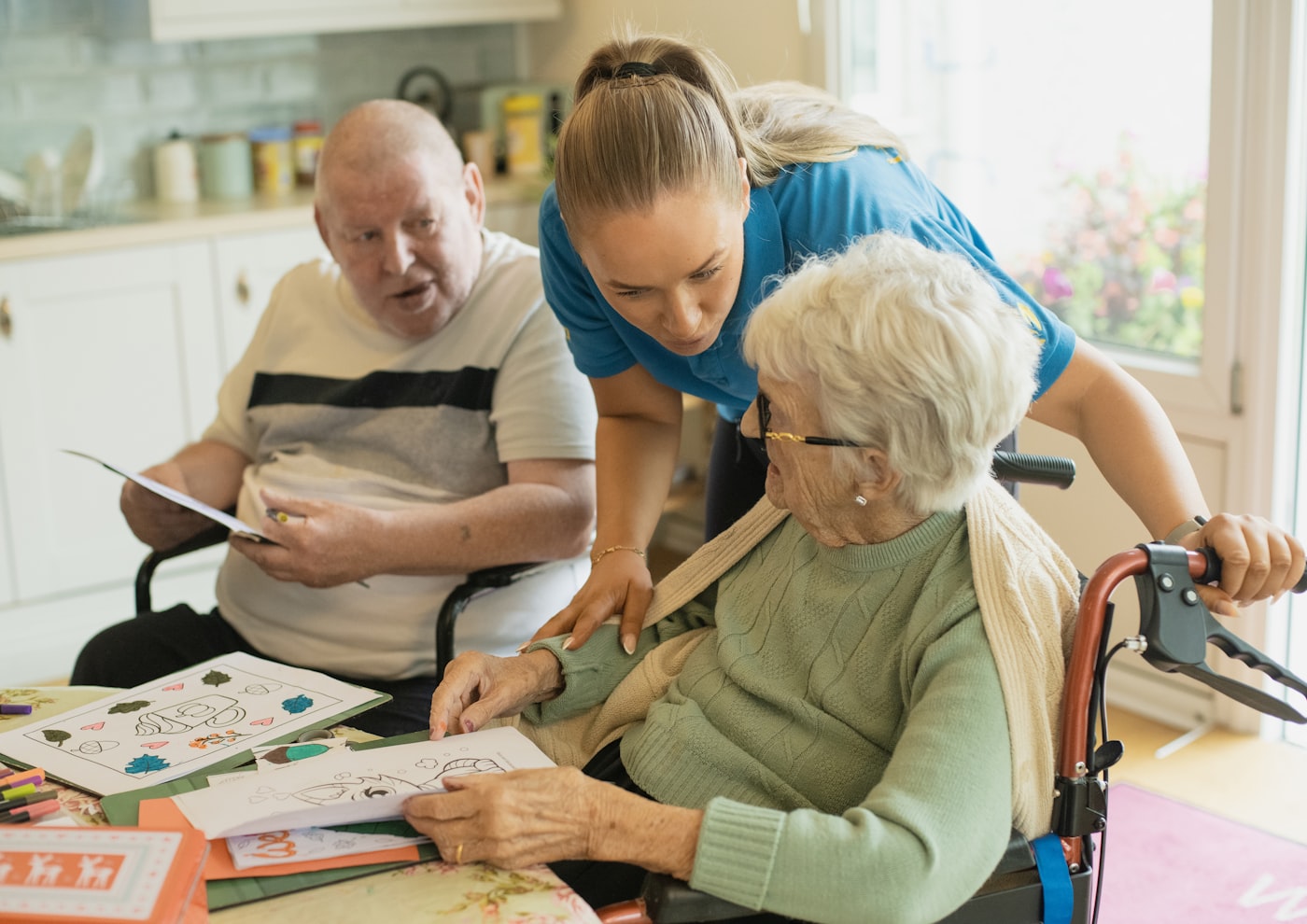
Because it is a house rather than an institution, an adult family home has a kitchen everyone can smell, a living room people actually sit in, a yard, and usually a provider who lives on-site or very close by and knows every resident by name. Many are run by families who have done this work for years, and a great number reflect the language, food, and culture of the people who run them — which, for a lot of Washington elders, is the difference between "a place I was put" and "a place that feels like home."
An adult family home is a licensed six-bed house where care is personal because there are only a handful of people to care for — and the same faces are there every day.
How it differs from a "facility"
People often use "facility" as a catch-all for anywhere an older adult receives care. But an adult family home is, in an important sense, the opposite of a facility. Here is where it sits next to the two settings families most often compare it against.
| Adult family home | Assisted living | Nursing home | |
|---|---|---|---|
| Size | Up to 6 residents | ~25 to 100+ residents | Often 60 to 150+ beds |
| Setting | A real house in a neighborhood | Apartment-style community | Clinical / medical building |
| Feel | A small family home | An amenity-rich community | A medical setting |
| Best for | Hands-on, personal, dementia-friendly care | Independent residents wanting amenities | Skilled, round-the-clock medical needs |
| Licensed by | WA DSHS | WA DSHS | WA DSHS + federal (Medicare/Medicaid) |
The quick way to hold it in your head: assisted living is an apartment community with services; a nursing home is a medical setting for people who need skilled nursing around the clock; and an adult family home is a small house where a few people receive close, personal care. We go deeper on the first comparison in adult family home vs assisted living, which is the one most families actually need.
What daily life inside one looks like
This is the part the brochures never show you, so let me describe it the way it really goes. Mornings are unhurried — residents are helped to wash and dress at their own pace, not on a facility schedule. Breakfast is cooked in the kitchen, not delivered on a tray from a commissary. Through the day there is help with the ordinary things that quietly become hard: getting to the bathroom, remembering medications, moving safely from a chair to a walker, a shower without fear of falling.
Because there are only a few residents and a high ratio of caregivers, someone notices when your mother eats less than usual, or when your father seems more confused today than yesterday. That noticing — small, constant, human — is the whole point of the model. It is also, honestly, the thing that is nearly impossible to deliver in a building with a hundred residents and a rotating staff.
The kind of care they provide
Adult family homes handle far more than most families expect. Depending on the home and its license, care can include:
- Everyday personal care — bathing, dressing, grooming, toileting, and help getting around.
- Medication management — the right pills, the right dose, at the right time, every day.
- Meals and nutrition — home-cooked food, often tailored to dietary needs and cultural preferences.
- Dementia and memory care — many homes specialize in it, and the small, calm setting is often a genuinely better fit than a large one. (More on that in signs your parent needs memory care.)
- Developmental disability support — some homes are set up specifically for adults with developmental disabilities.
- Complex and end-of-life care — many are hospice-friendly and can care for residents with significant medical needs, often alongside visiting nurses.
What one home offers is not what the next one offers — specialization is a real strength of this model. A home built around dementia care runs differently than one focused on developmental disabilities. Matching the home to the person is most of the work, and it is exactly what our free matching help is for.
What it costs in Washington — honestly
Here is the question everyone has and few sites will answer plainly. In 2026, adult family homes in Washington generally run from about $4,500 to $9,000 a month for private pay. The lower end tends to be smaller homes in lower-cost areas; the higher end is homes providing heavy dementia or complex medical care, often in the Seattle, Bellevue, and greater Eastside markets.
One real advantage of the model: pricing is frequently all-inclusive — a single monthly rate covering room, meals, and care — so there are fewer surprise add-ons than in settings that bill care in tiers on top of base rent.
We never fabricate prices. The range above is an honest ballpark, not a quote. Every home sets its own rate based on care needs, room type, and location, and those rates change. When you look at a specific home in our directory, confirm the real number directly with that home. If a website hands you an exact monthly price for a stranger's parent sight unseen, be skeptical.
Medicaid, licensing, and safety
Two things families most want reassurance on: how care is paid for when savings run low, and how you know a home is safe.
Paying with Medicaid (Apple Health)
When long-term private pay is not realistic — and for many families it is not — Washington's Medicaid program, Apple Health, can help cover care in a licensed home, often through a long-term-care pathway such as the COPES waiver. A large share of Washington adult family homes accept it, and many will keep a resident who begins as private pay and later transitions to Apple Health once savings are spent down. That continuity matters enormously: it can mean your parent does not have to move again at the hardest possible moment. Important caveat — a home being licensed does not automatically mean it accepts Medicaid. Those are two different things, so always confirm it for the specific home and program.
How they are licensed and kept safe
Every adult family home in Washington is licensed and inspected by DSHS, through its Aging and Long-Term Support Administration. The state sets the standards, conducts inspections, and publishes a home's licensing status and enforcement history. Before you commit anywhere, confirm the license is current and look at that record — a clean, current history is the baseline, not a bonus.
Who it is right for — and how to find one
An adult family home tends to be the right fit when your parent needs hands-on, consistent care, when a calm and small environment suits them better than a busy building, when you want caregivers who know them as a person, and when cultural fit or home cooking matters. It tends to be the wrong fit when a parent is quite independent and mostly wants amenities, activities, and their own apartment — that is what assisted living is built for.
When you are ready to look, you have two honest paths:
- Browse licensed homes yourself. Our directory lists Washington's licensed adult family homes with the details laid out plainly — no fake prices, no pay-to-play ranking.
- Let a real person help. If it feels like a lot, tell us about your situation and a person on our team will help you find homes that actually fit. It is free, and we never sell your information.
Not a robot, not a sales floor.
Wondering if an adult family home is right for your parent?
Tell us a little about your situation. A real person on our team will help you weigh the options and find licensed homes that actually fit. It is free, and we never sell your information.
Takes two minutes. You will talk to a person, not a call center. We never sell your information.
The bottom line
An adult family home is one of Washington's best-kept secrets: a small, licensed, six-bed house where an older adult gets personal, hands-on care from people who actually know them — often for the same money as, or less than, a big facility. It is not the loudest option, and it is not right for everyone. But for a parent who needs real care or a calmer place to be, it deserves a seat at the table right next to the names you have already heard. Now you know what it is.
Questions families ask us
What is an adult family home, in simple terms?
An adult family home is a private house in an ordinary Washington neighborhood, licensed by DSHS to care for up to six residents at a time. It provides housing, meals, and hands-on personal care in a small, home-like setting rather than a large facility. Many specialize in dementia care, developmental disabilities, or complex medical needs.
How many people live in an adult family home?
By Washington law, a licensed adult family home can care for a maximum of six residents at a time. That small size is the defining feature of the model — it allows a high caregiver-to-resident ratio and close, personal attention that large facilities cannot match.
Is an adult family home the same as assisted living or a nursing home?
No. Assisted living is a larger apartment-style community of roughly 25 to 100-plus residents built around amenities and independence. A nursing home is a clinical setting for people who need skilled nursing care around the clock. An adult family home is a small licensed house — up to six residents — offering close, personal, hands-on care. All three are licensed by Washington DSHS.
How much does an adult family home cost in Washington?
Adult family homes in Washington generally run from about $4,500 to $9,000 a month for private pay in 2026, and the rate is often all-inclusive. The lower end tends to be smaller homes in lower-cost areas; the higher end reflects heavy dementia or complex medical care, often in higher-cost markets. These are honest ranges, not quotes — always confirm the real number with the specific home.
Do adult family homes take Medicaid (Apple Health)?
Many do. In Washington, Medicaid long-term care comes through Apple Health, often via a pathway such as the COPES waiver, and a large share of adult family homes accept it — including keeping residents who transition from private pay to Apple Health over time. But a home being licensed does not guarantee it accepts Medicaid, so always confirm it for the specific home and program before deciding.
Who licenses and inspects adult family homes in Washington?
The Washington Department of Social and Health Services (DSHS), through its Aging and Long-Term Support Administration, licenses and inspects every adult family home in the state. DSHS sets the care standards and publishes each home's licensing status and enforcement history, so you can verify that a home is currently licensed and in good standing before committing.
Is an adult family home a good option for someone with dementia?
Often, yes. For many people living with dementia, a small, calm, secured adult family home — fewer residents, less confusion, the same caregivers every day — is a better and safer fit than a large community. Many Washington adult family homes specialize in memory care. Our guide on the signs your parent needs memory care goes deeper on when to make the move.